Case study · Yvy Reciclagem
Urban mining,
made visible.
For six years I have helped one of Brazil's most specialized recycling companies show what it does: online, at trade shows, in print, and in the gift its partners receive at the end of each year.
Photo: Berg Studio
The website · Content and infographics
One company, two conversations
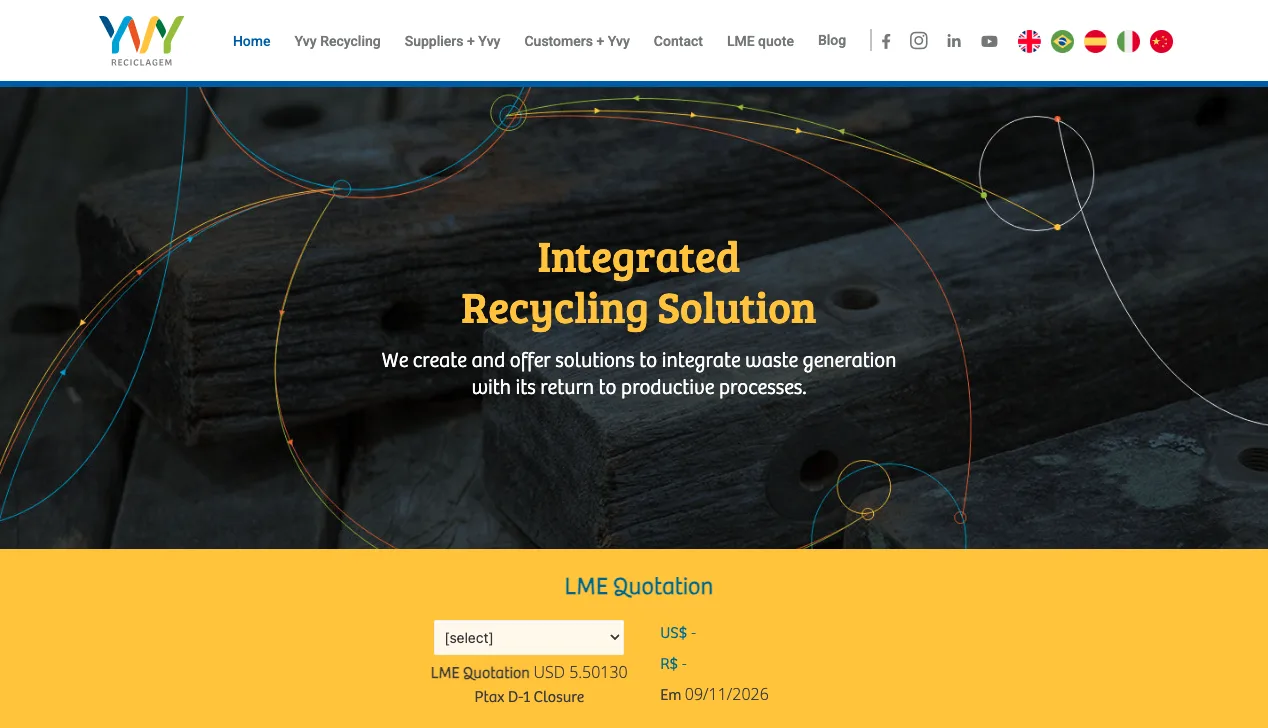
Yvy's website was the first thing they hired me for. The logo was already in place. I defined the structure, curated and wrote the content, designed the infographics, and directed the senior developer who built it.
Yvy talks every day with two very different people: those who generate waste and those who need recycled raw material. The site gives each one a door of their own, with a color taken from the logo, and keeps the LME quotation one click away.
Years and several updates later, including new languages, that base still holds. The infographics now work in four languages, Chinese included, translated by Yvy's team, so a buyer on the other side of the world understands Yvy at a glance.
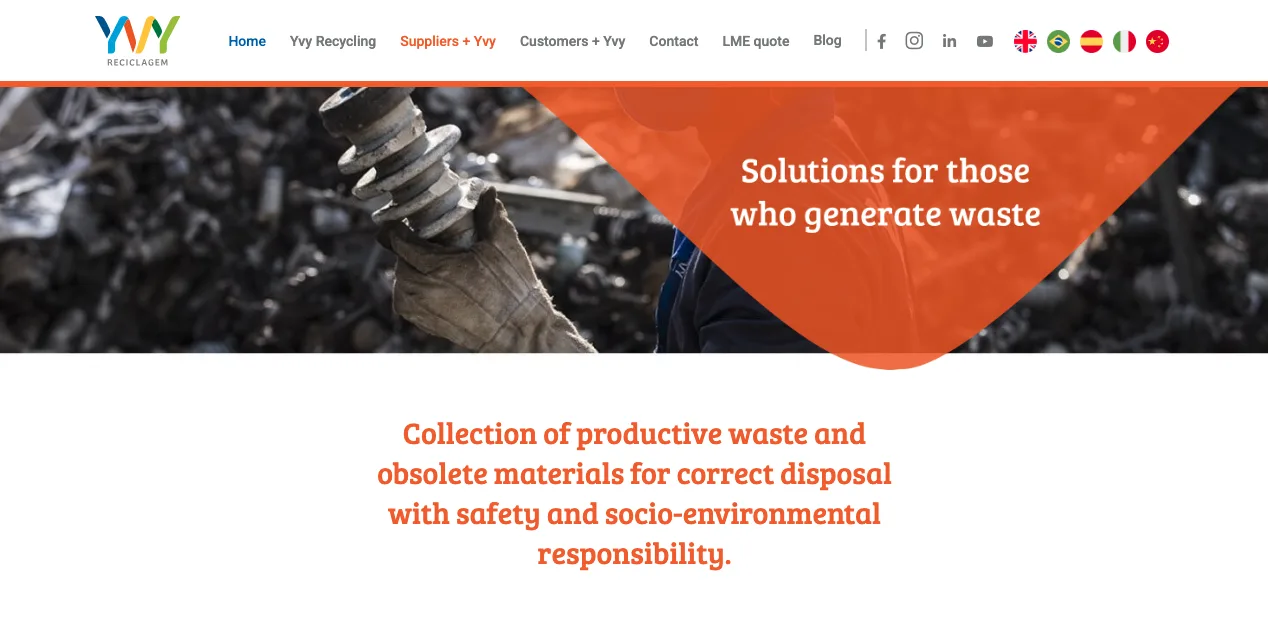
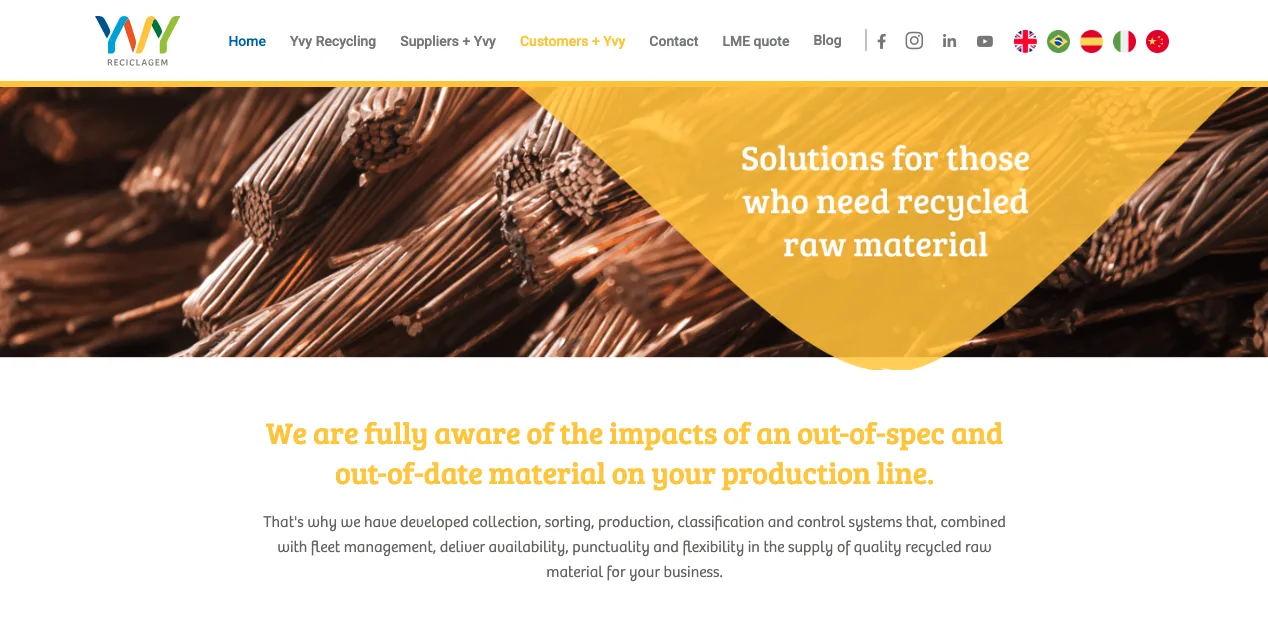
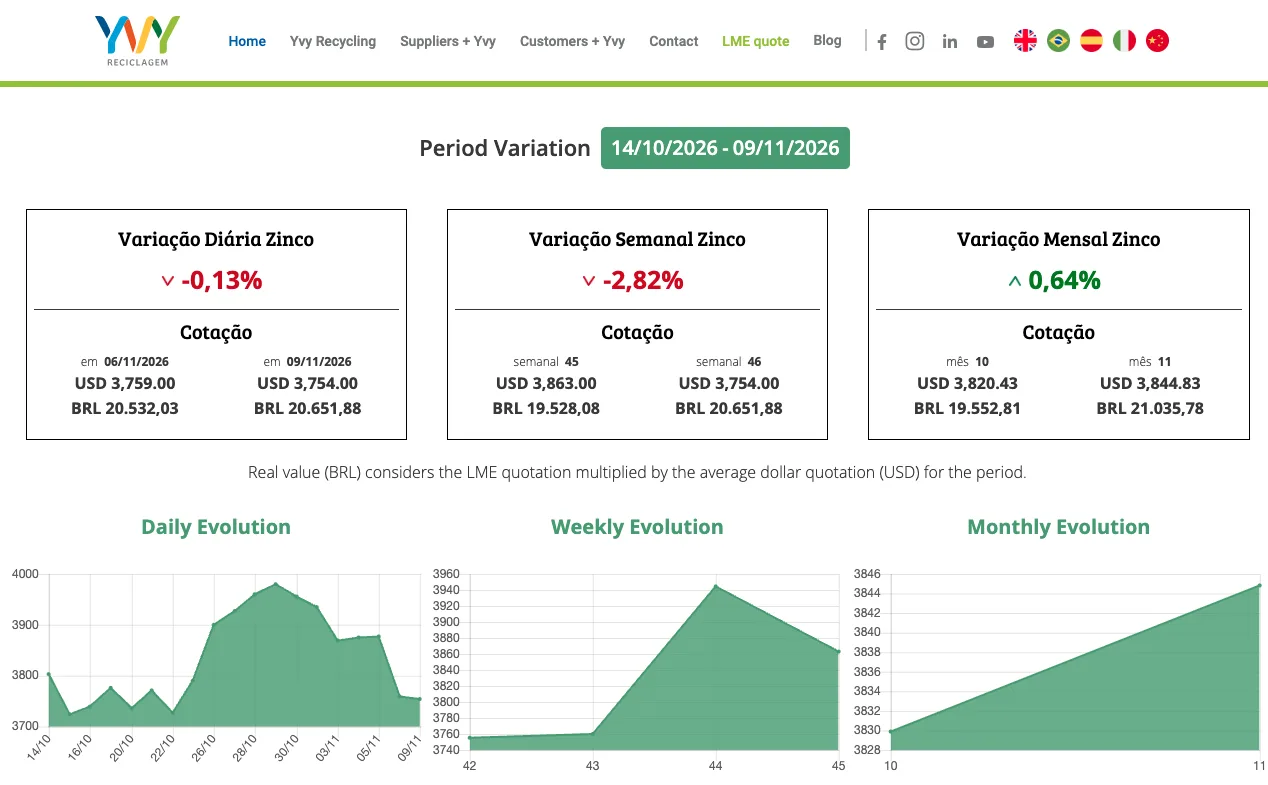
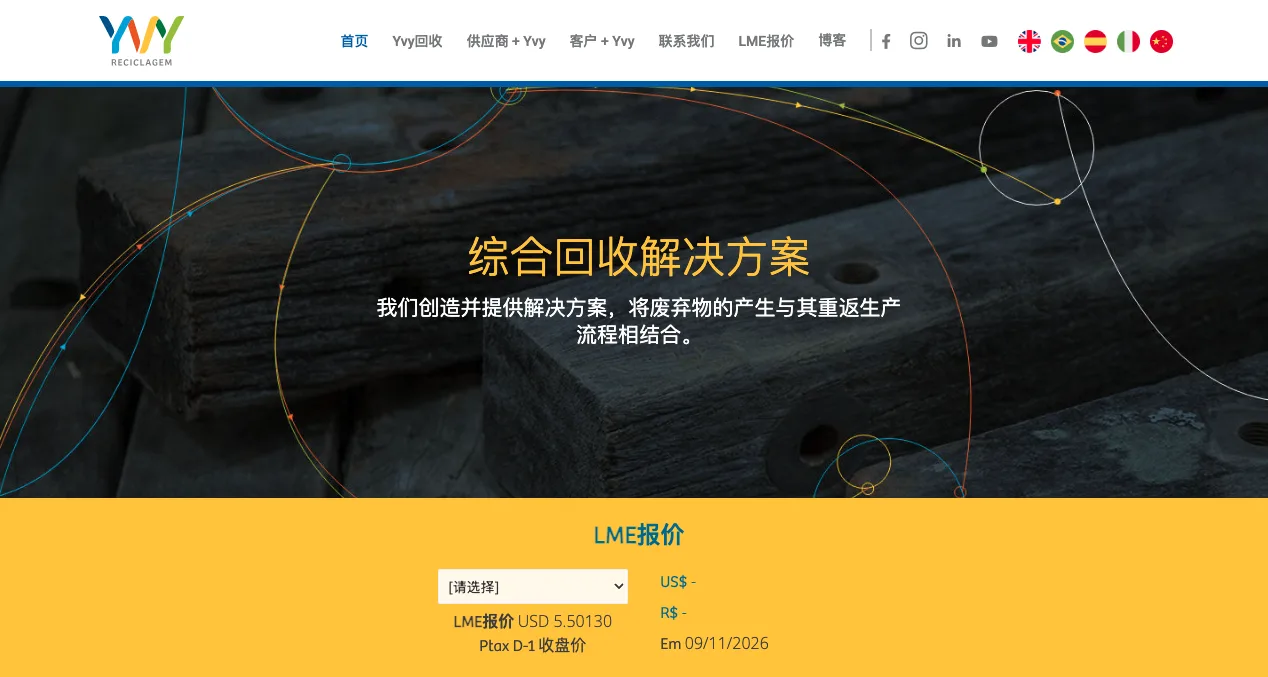
Complexity, at a glance
Hover over an infographic to read it in Chinese.Tap 中文 to read it in Chinese.
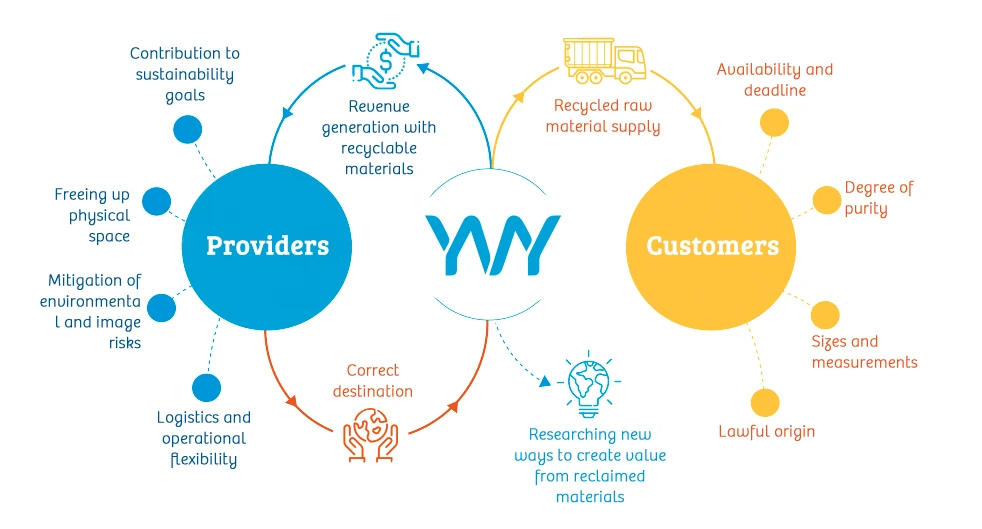
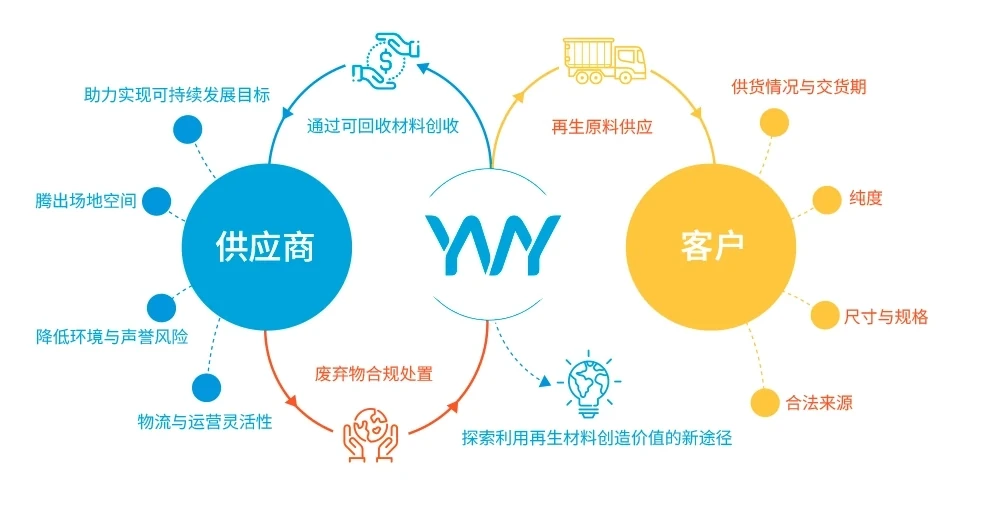
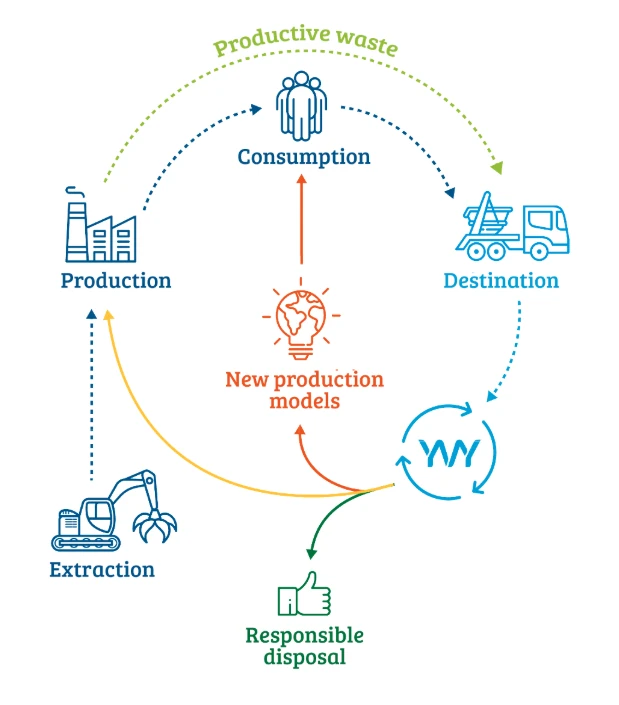
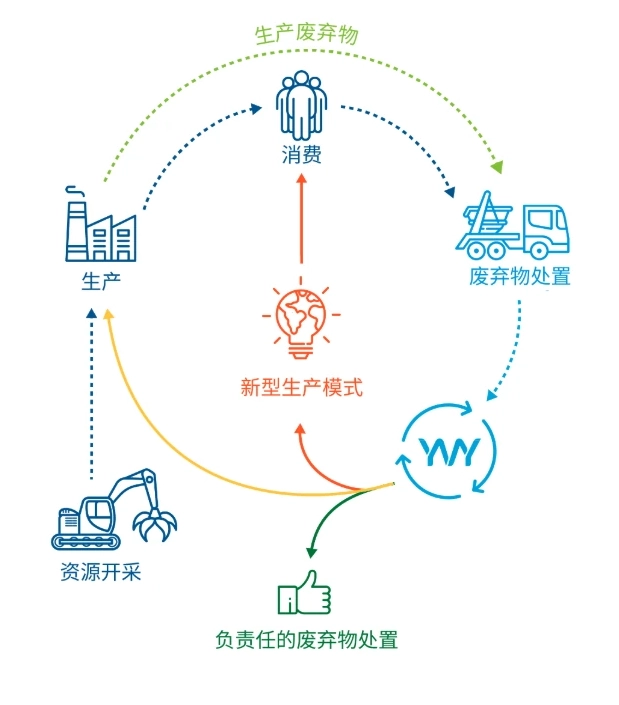
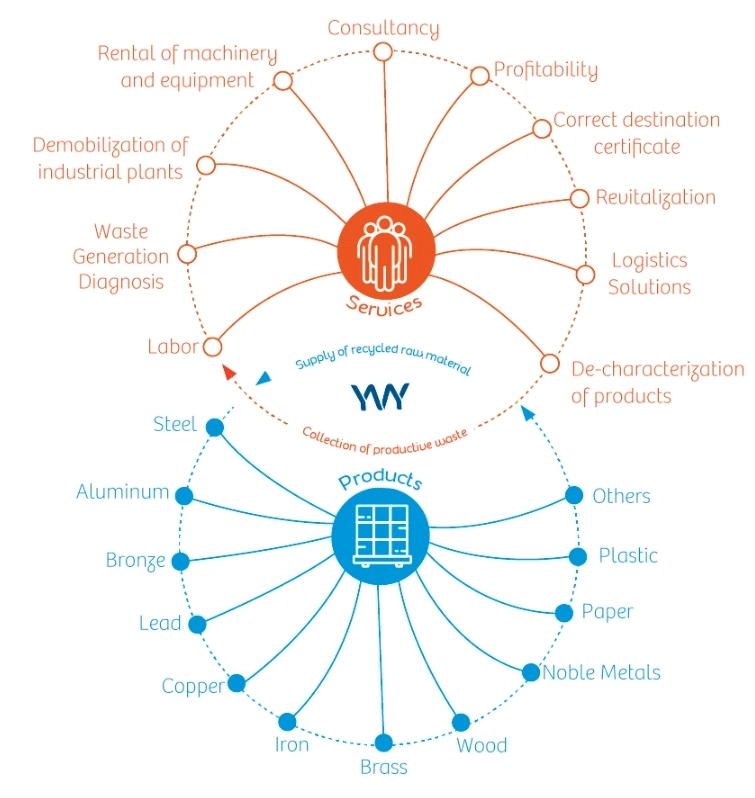
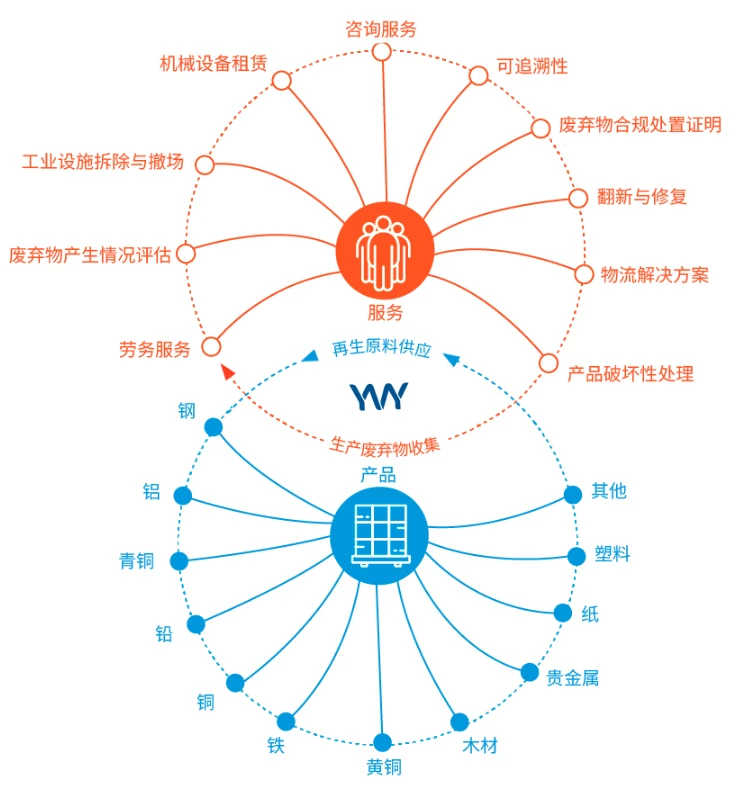
“Renato’s design gave Yvy clarity, identity and communication far more aligned with its purpose. In a field as complex as the circular economy, he turned technical ideas into something simple and engaging, helping strengthen both how Yvy is seen and how it grows.”
Trade shows and visits · In person
The brand, as a place
At trade shows, the brand becomes a place. I designed the stand's walls around four values in the colors of the logo, proximity, readiness, flexibility and responsibility, with round windows onto the materials Yvy recovers. In front, a glass case puts real samples within reach, from copper wire to porcelain insulators.


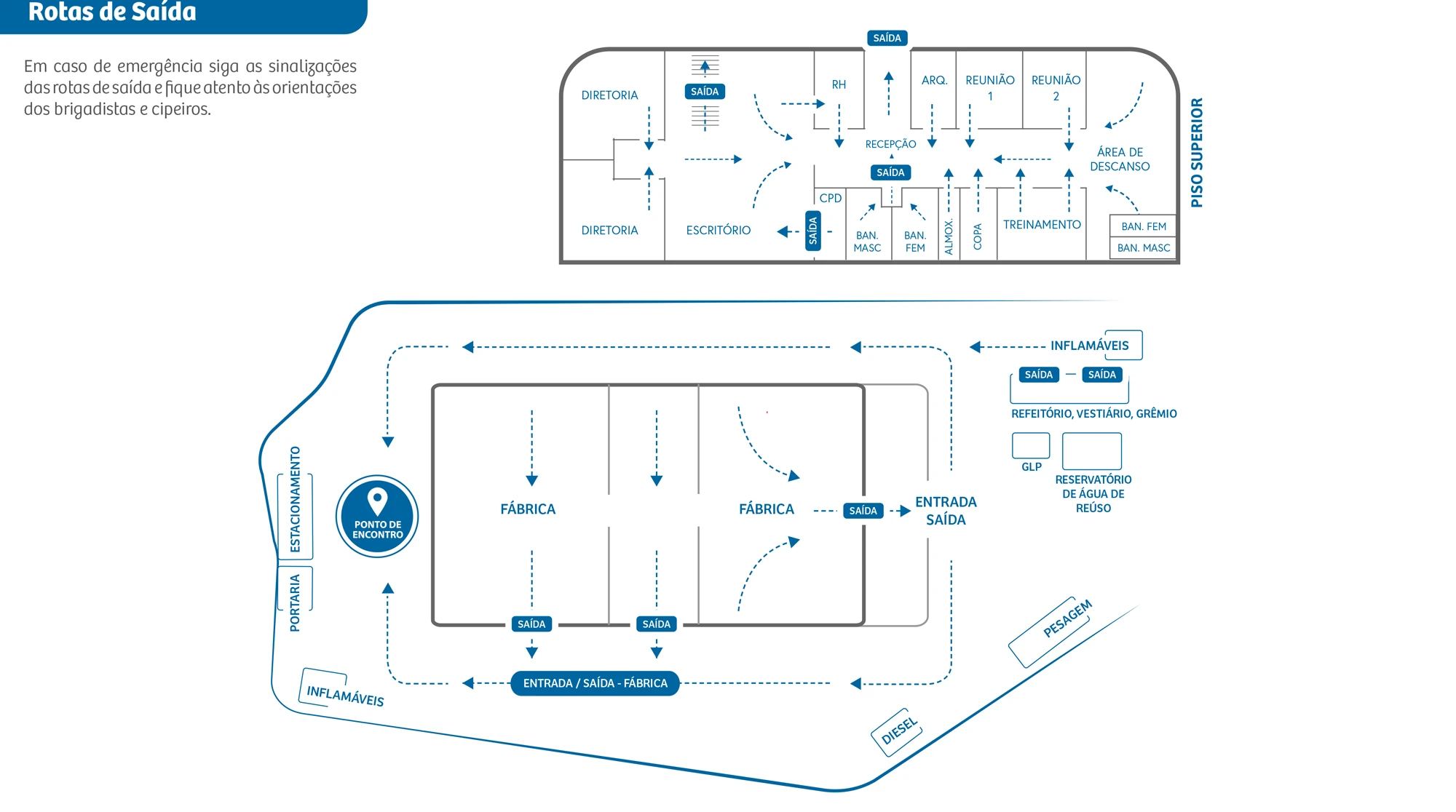
For people who visit the plant, I designed a folded guide: a site map with the exit route, emergency contacts, traffic rules and the protective equipment to wear.
Year-end gift 2026 · Hand first
Nossa Terra
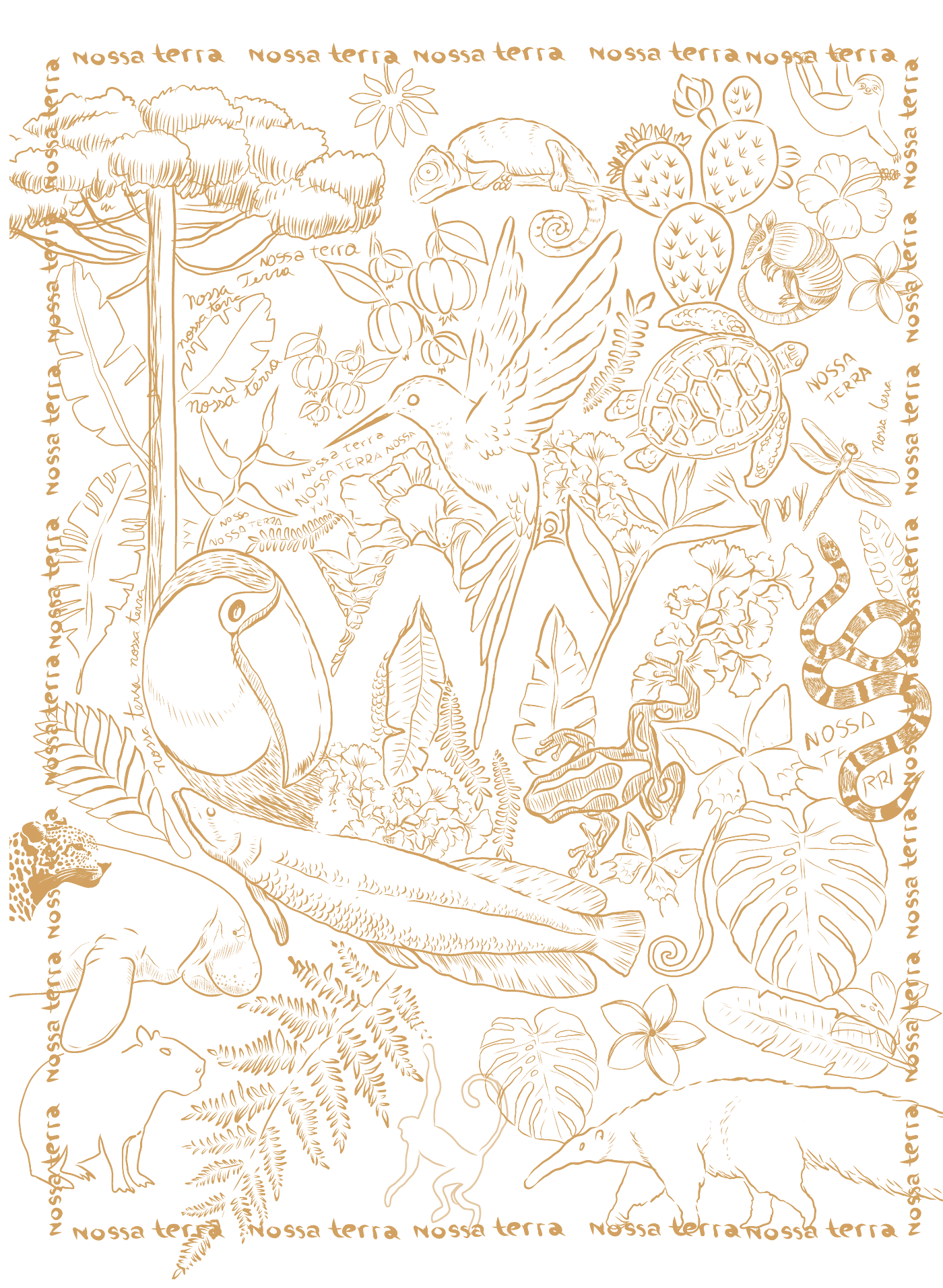
Yvy is the Tupi-Guarani word for land, and the company reads its name as Nossa Terra, our land. The brief was to explore that name, so this gift starts with the land itself: Brazilian fauna and flora, from the araucaria to the anteater, drawn entirely by hand.
Look at the center. Between the toucan, the hummingbird and the leaves, the empty space spells YVY. The logo is not drawn: it is what the drawing leaves untouched.
The art is printed in gold on deep green, to treat Brazilian nature as something precious. The first page says it plainly: illustration made entirely by hand, without artificial intelligence.
How it was made
By hand, on purpose
Every line was drawn by hand, the way I learned to draw on paper, now on the iPad with vector brushes in Adobe Fresco. The notebook was laid out in InDesign, with the 2027 and 2028 calendars, lined pages with small drawings in the corners, and a back cover framed by the words Nossa terra.
AI appears only at the end, to simulate the gold finish in a mockup for approval.


Year-end gift 2025 · AI first
From linear to circular
Yvy recovers value from what cities throw away. Its year-end gift had to say the same thing, and not become one more thing to throw away.
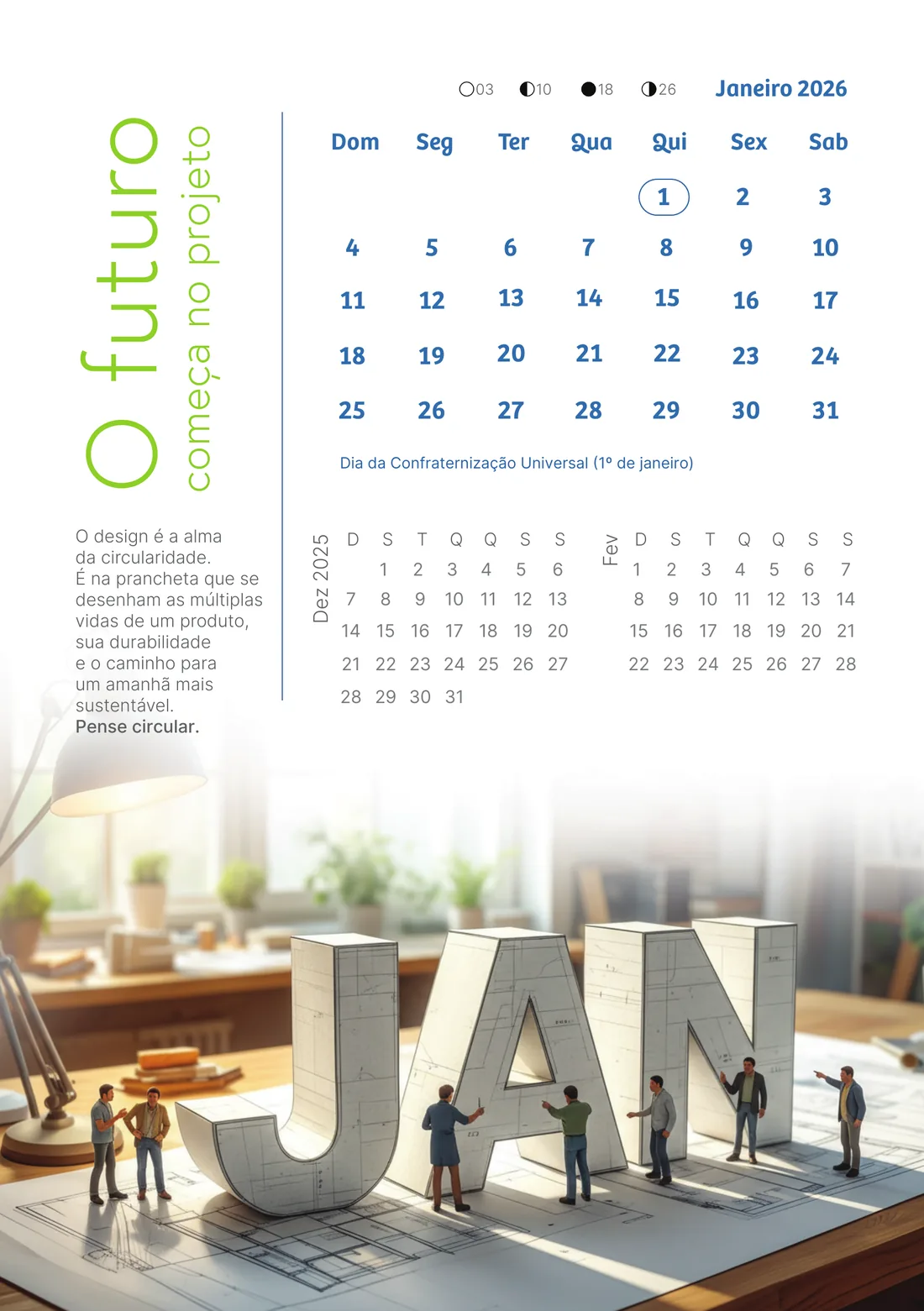
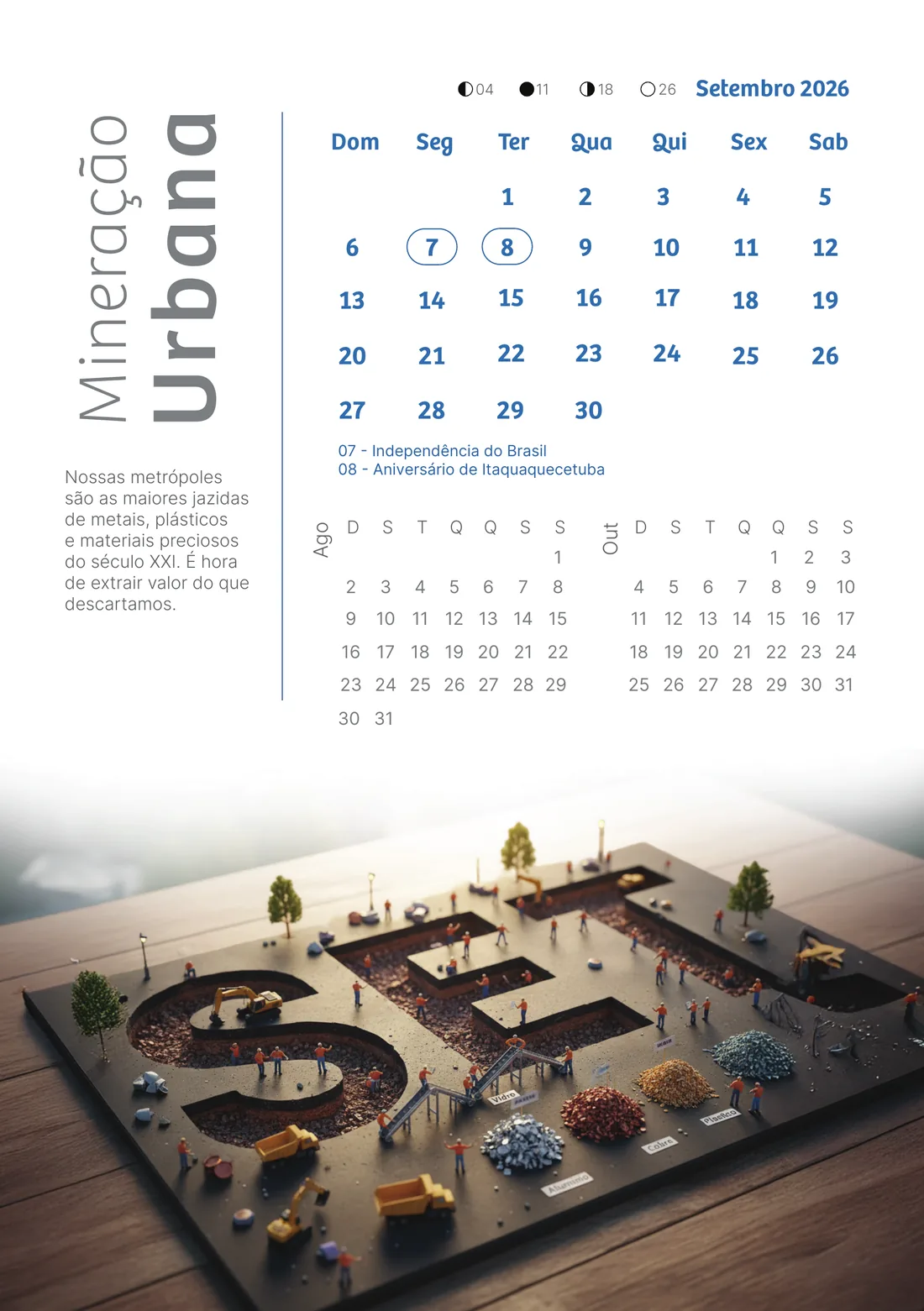
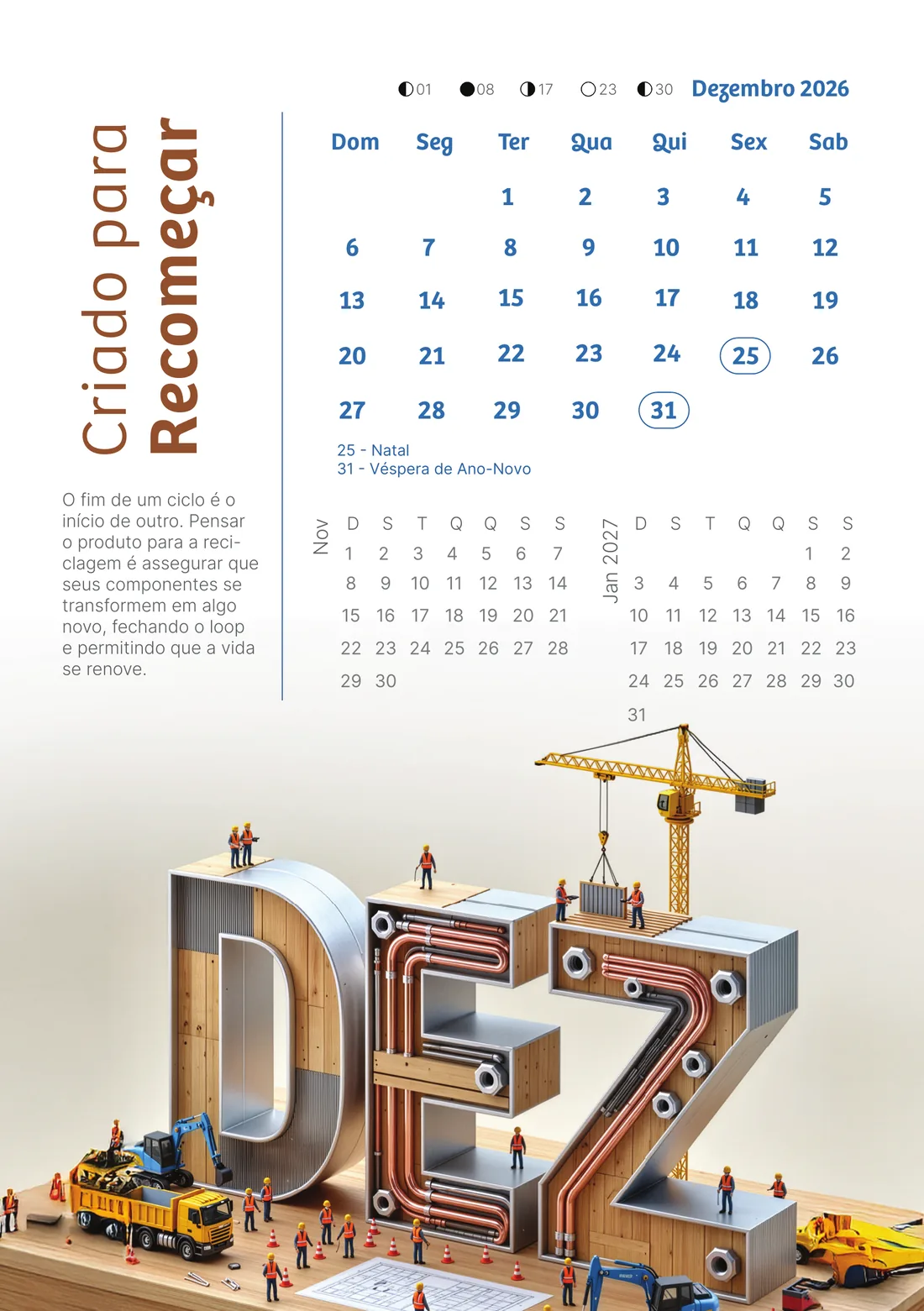
The answer was a 2026 calendar that teaches one principle of the circular economy each month, from design for disassembly to urban mining, the term Yvy uses for its own work. Every month is a word under construction: three letters built, welded, painted or taken apart by a miniature crew, the way Yvy's people handle material every day.
The object follows its own advice. The back of every sheet is lined for notes, and when the year ends, the stand becomes a clipboard or a picture frame.
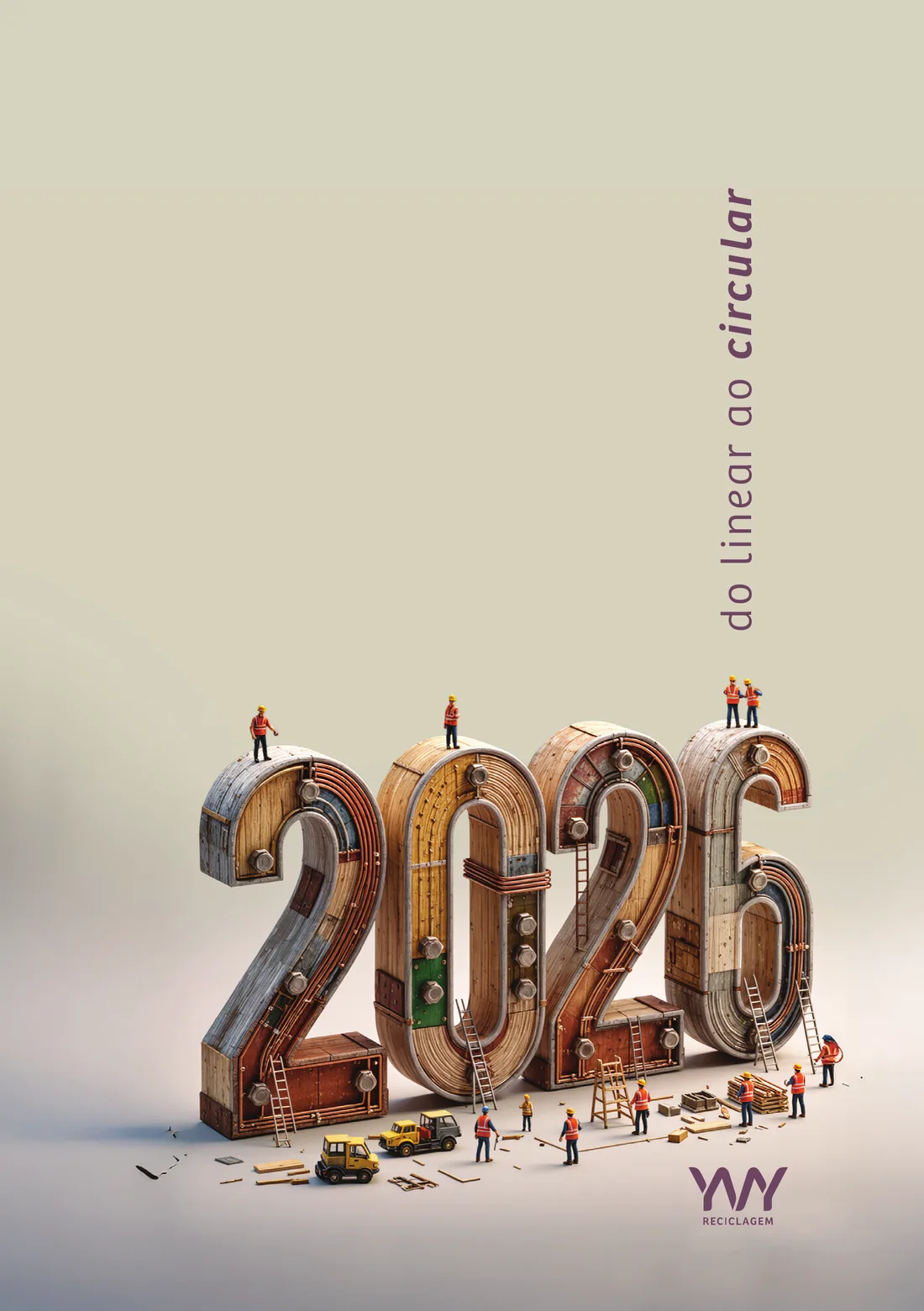
01 / 12 · January
From linear to circular
-
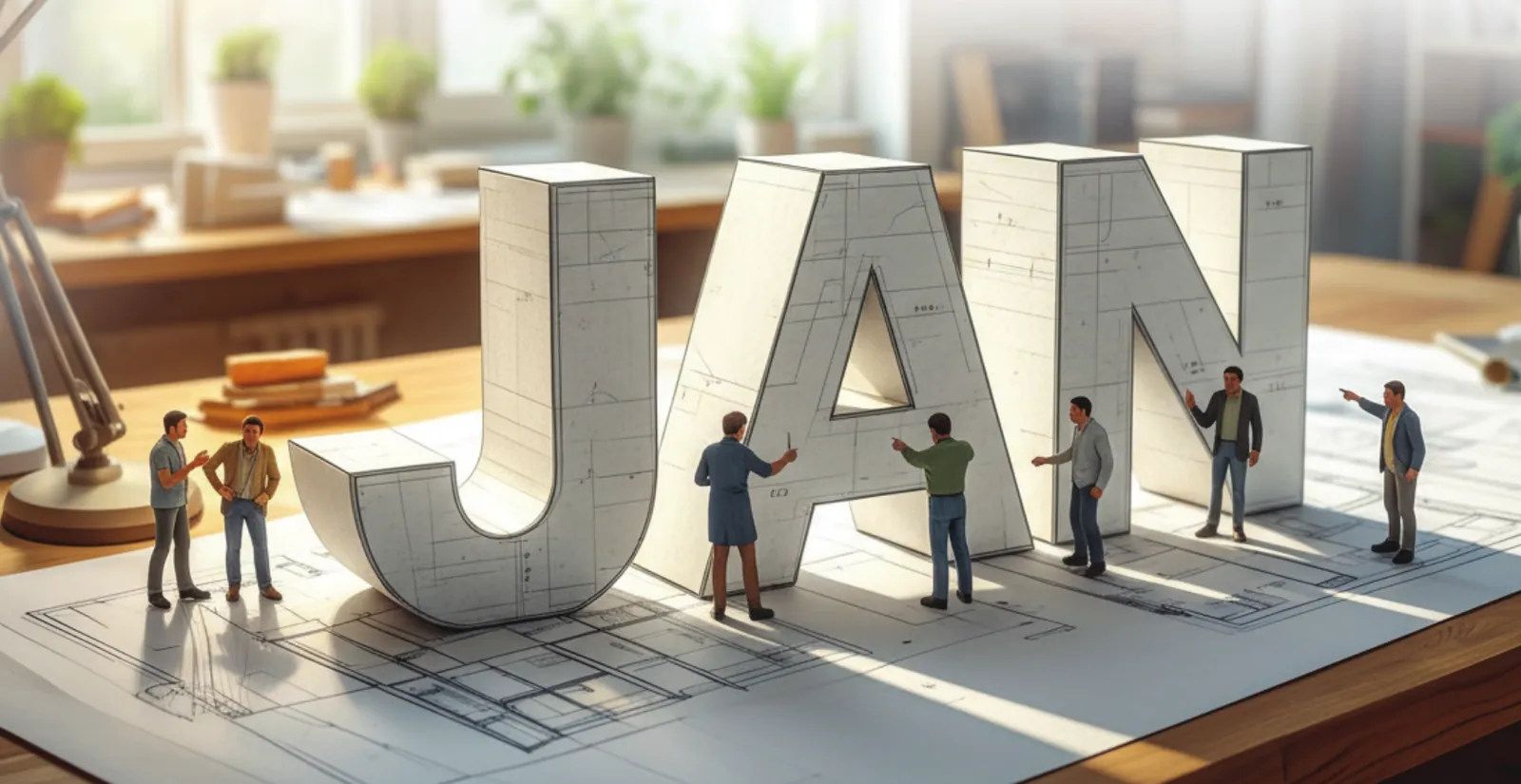
01 · January
The future starts at the drawing board
O futuro começa no projeto
Circularity is decided before anything is made. What is designed to be recovered reaches Yvy as material, not as waste.
-
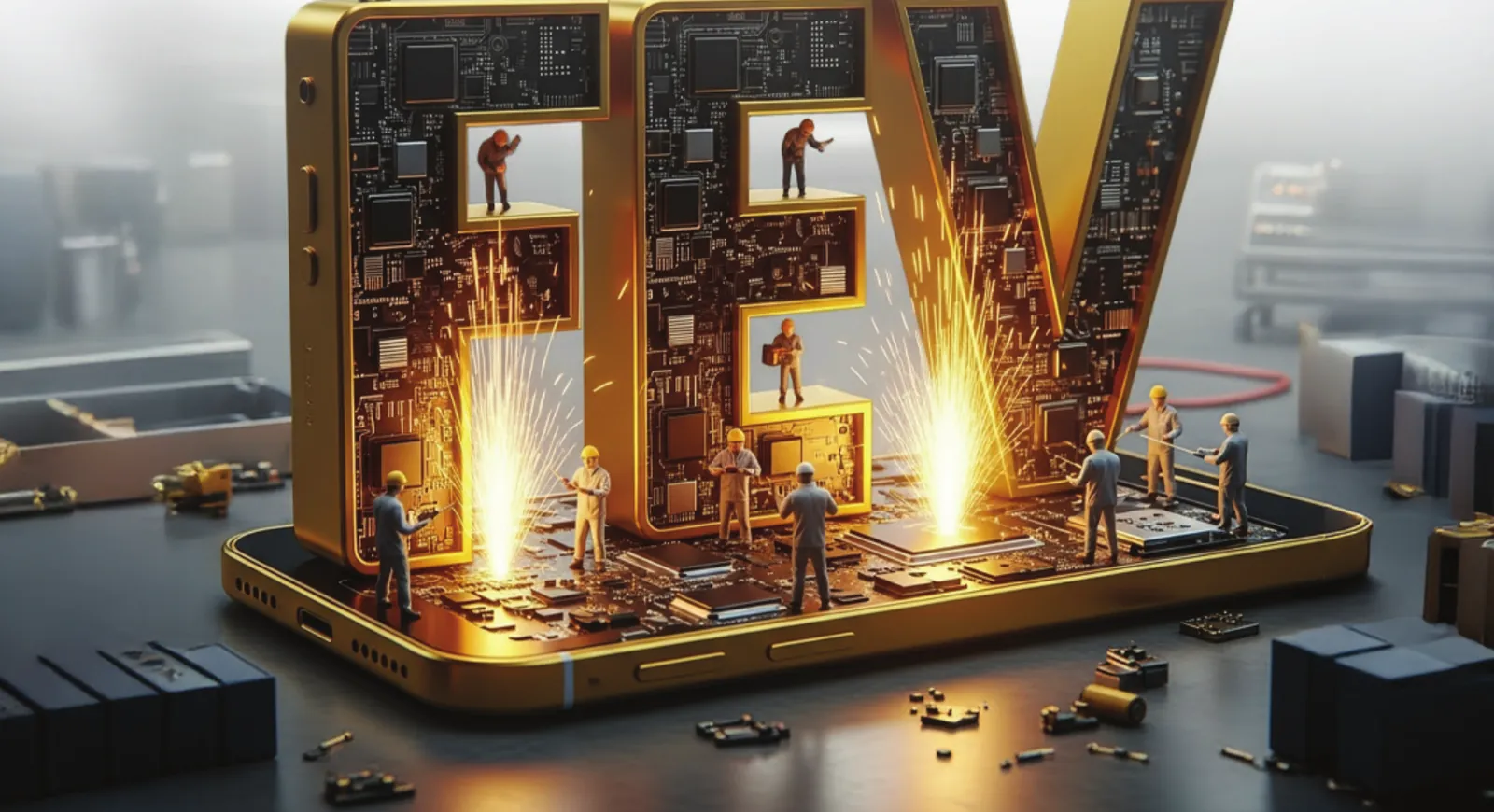
02 · February
Designed for disassembly
Planejado para desmontagem
Yvy's work starts where a product comes apart. The easier it opens, the more of it returns to the cycle.
-
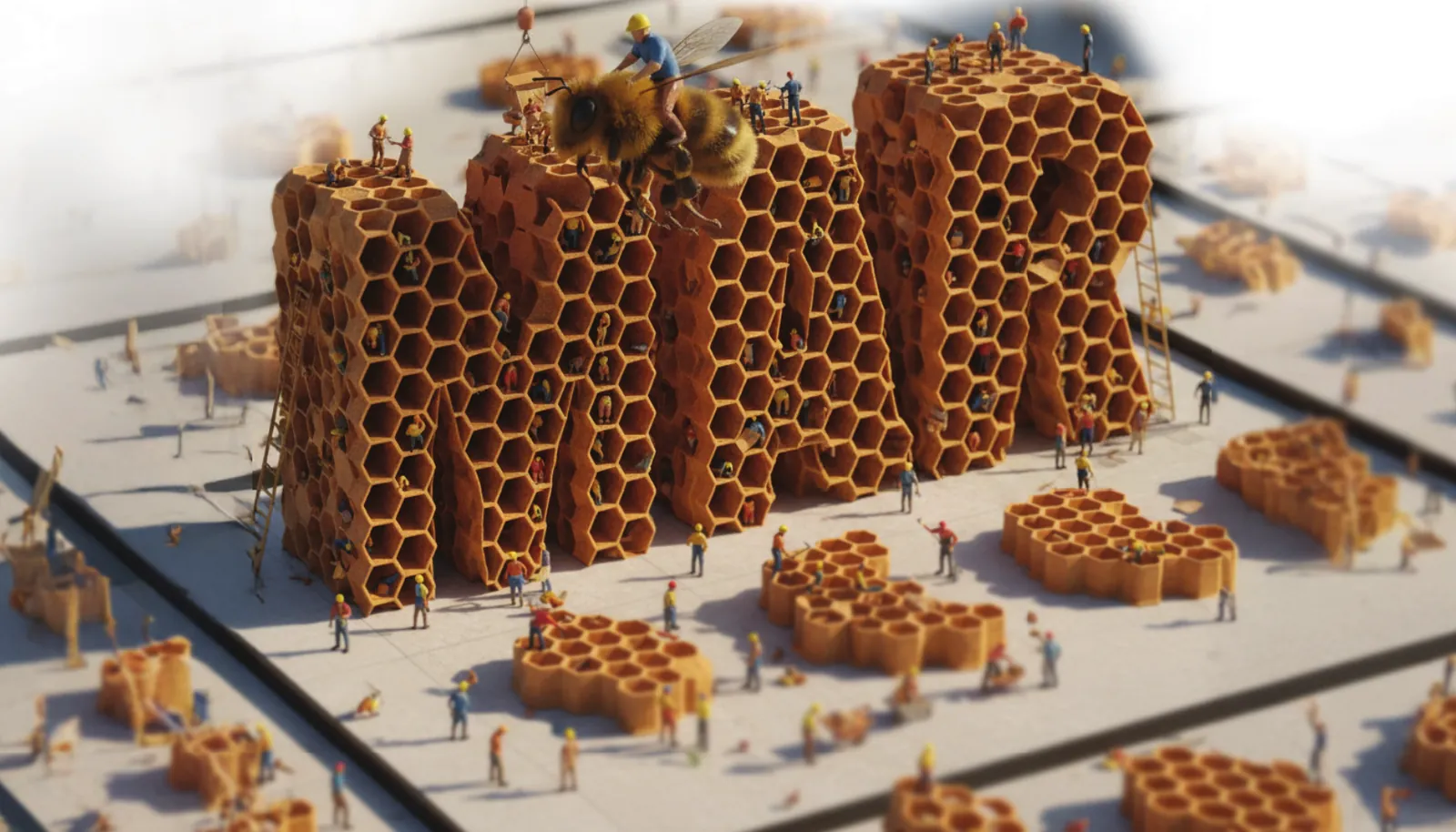
03 · March
Inspired by biomimicry
Inspirada pela biomimética
Nature runs in closed loops, where every leftover feeds something else. It is the model every recycler is chasing.
-
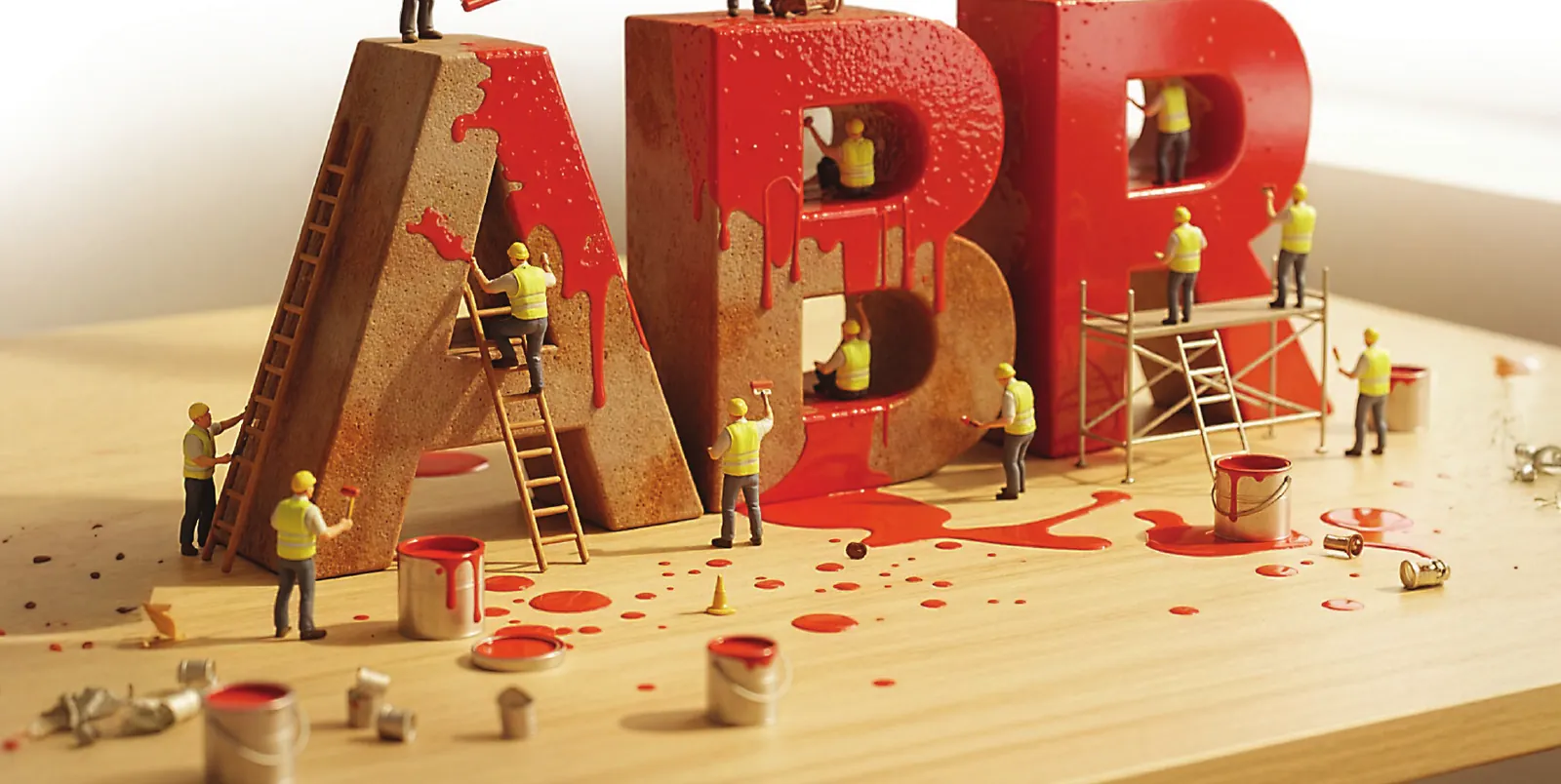
04 · April
Built to last
Construído para durar
A recycler praising durability: the circular economy starts by keeping things in use for as long as possible.
-
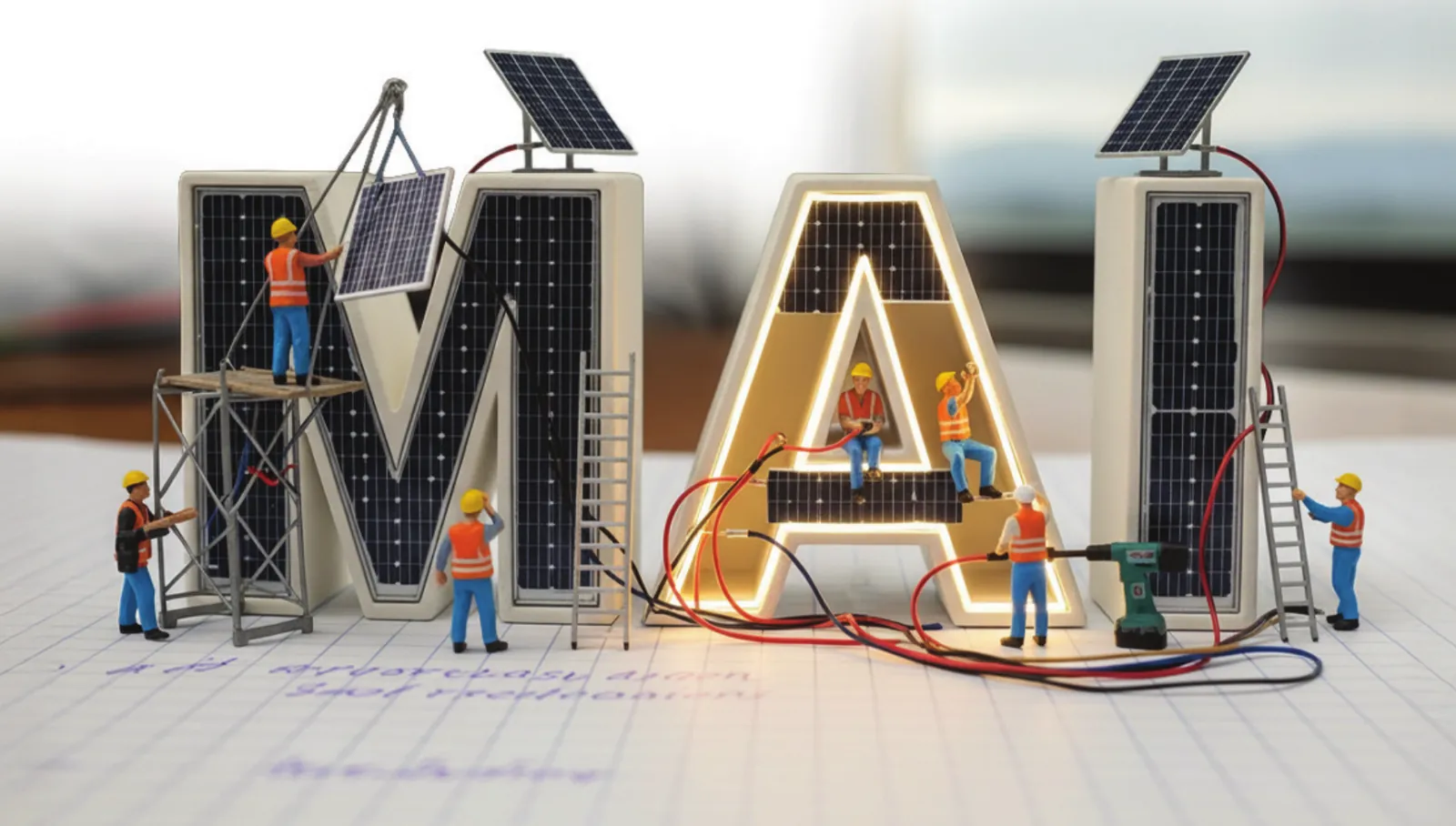
05 · May
Energy efficiency
Eficiência energética
Recovered metal needs a fraction of the energy it takes to mine and refine new ore.
-
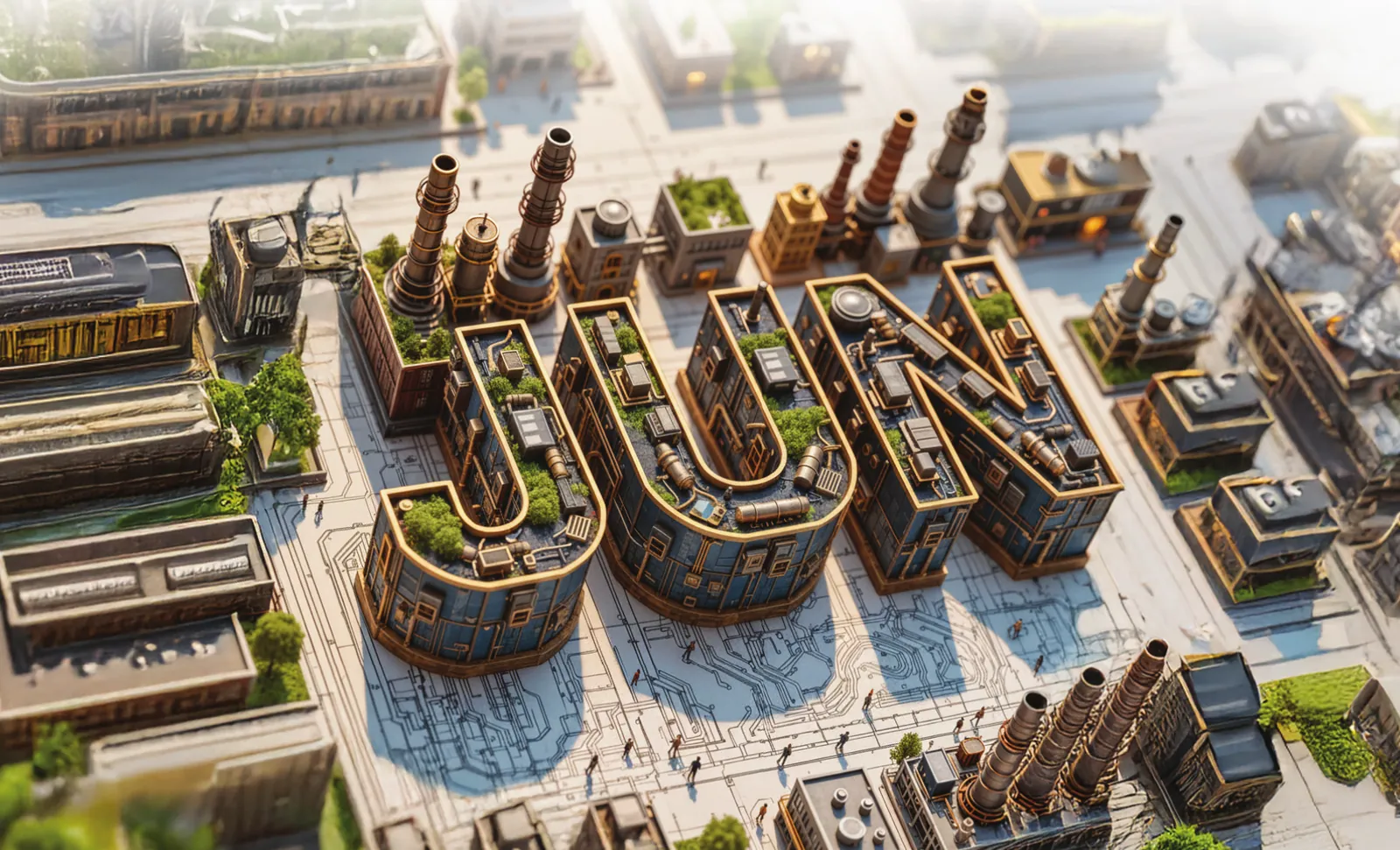
06 · June
Industries as ecosystems
Indústrias como ecossistemas
One company's waste is another's raw material. Industrial symbiosis is Yvy's business model in two words.
-
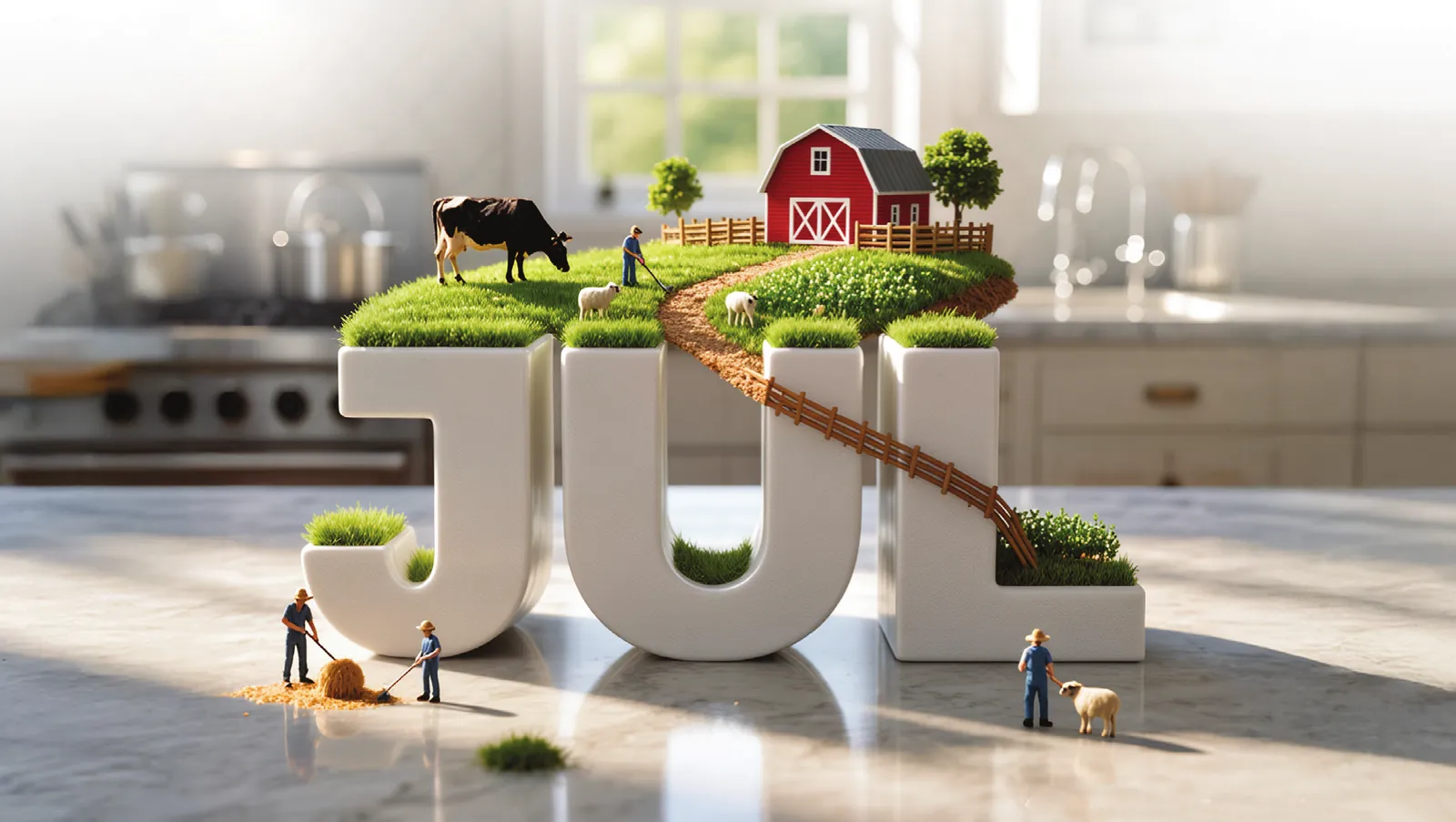
07 · July
Farm to table
Da fazenda para a mesa
Shorter loops waste less, whether the path runs from farm to table or from scrap back to industry.
-
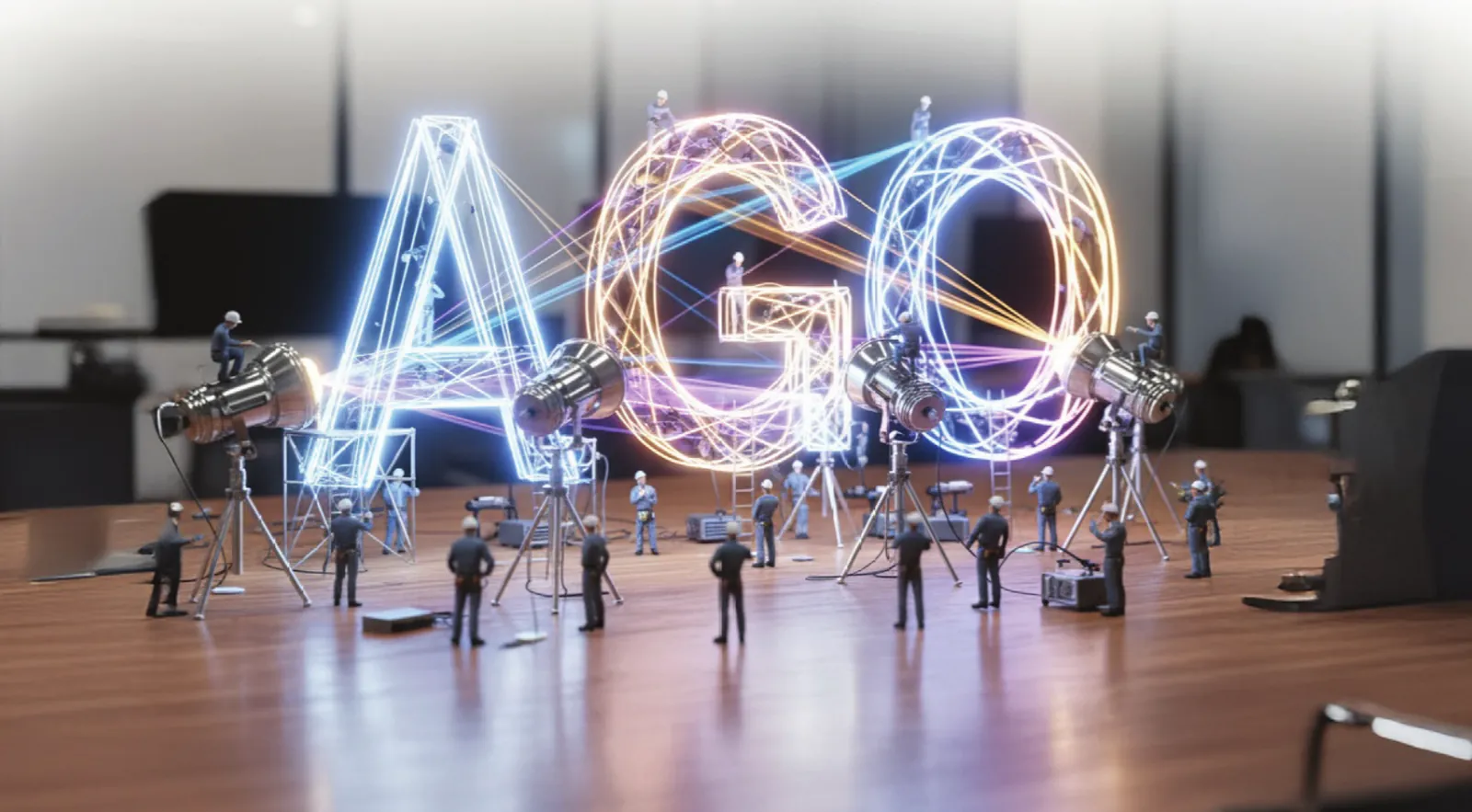
08 · August
Service is the new product
O serviço é o novo produto
When companies sell performance instead of things, materials stay in someone's care, and taking them back becomes part of the deal.
-
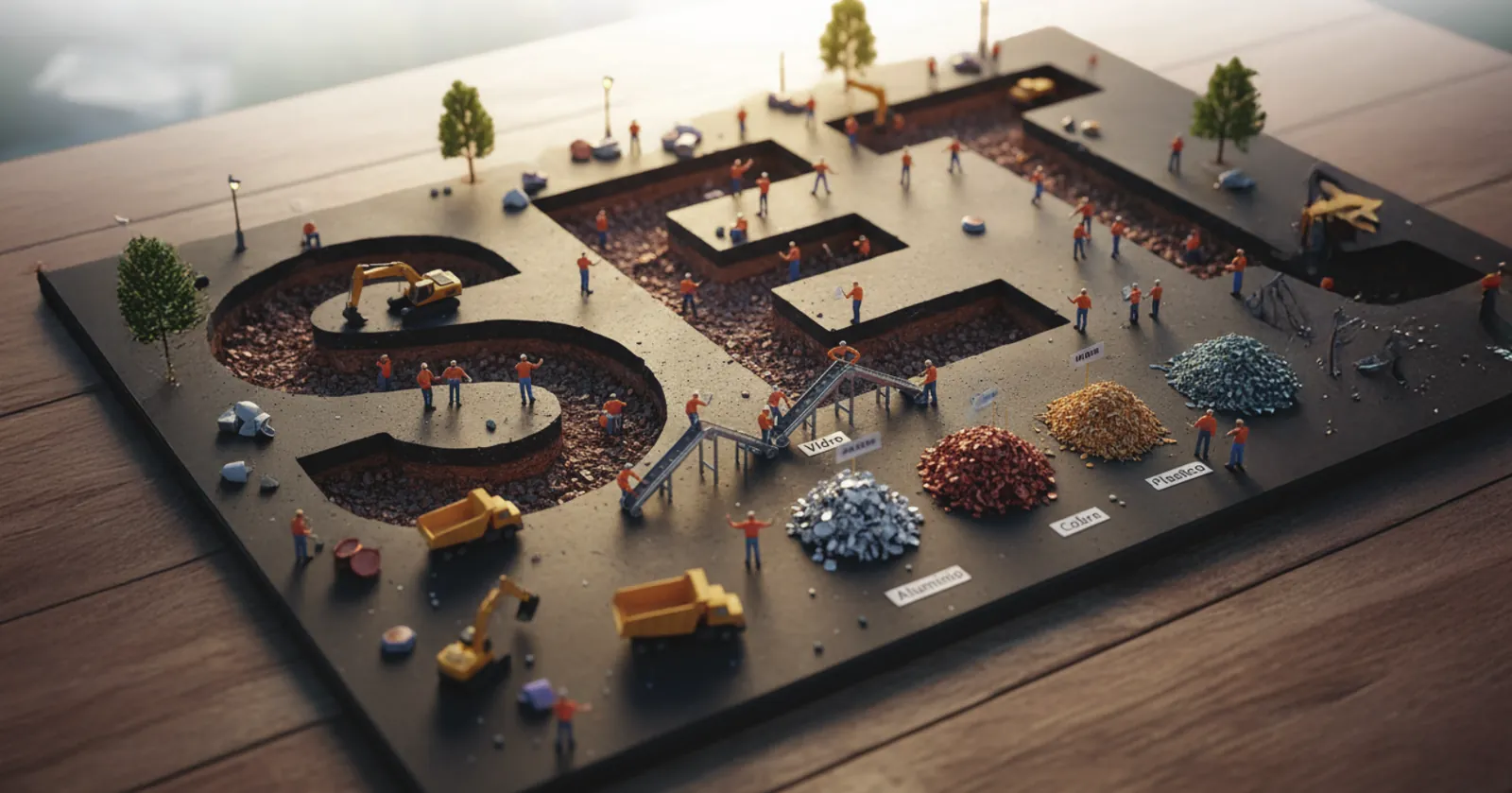
09 · September
Urban mining
Mineração urbana
Yvy's own words. Cities are the largest mines of this century, and sorting what they discard is Yvy's daily work.
-
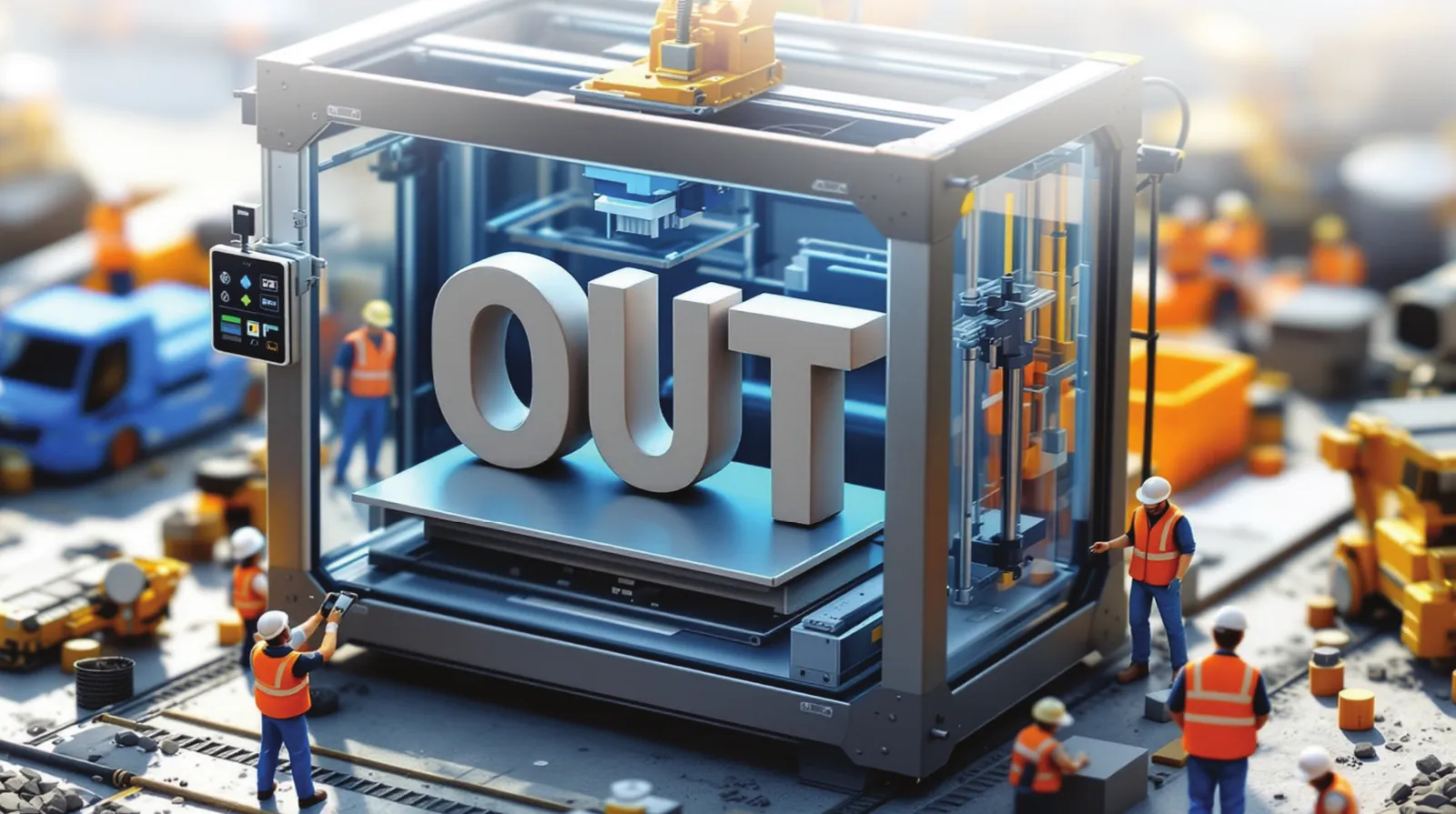
10 · October
Only what's needed
Somente o necessário
Producing to demand is the cleanest kind of recycling: the waste that never exists.
-
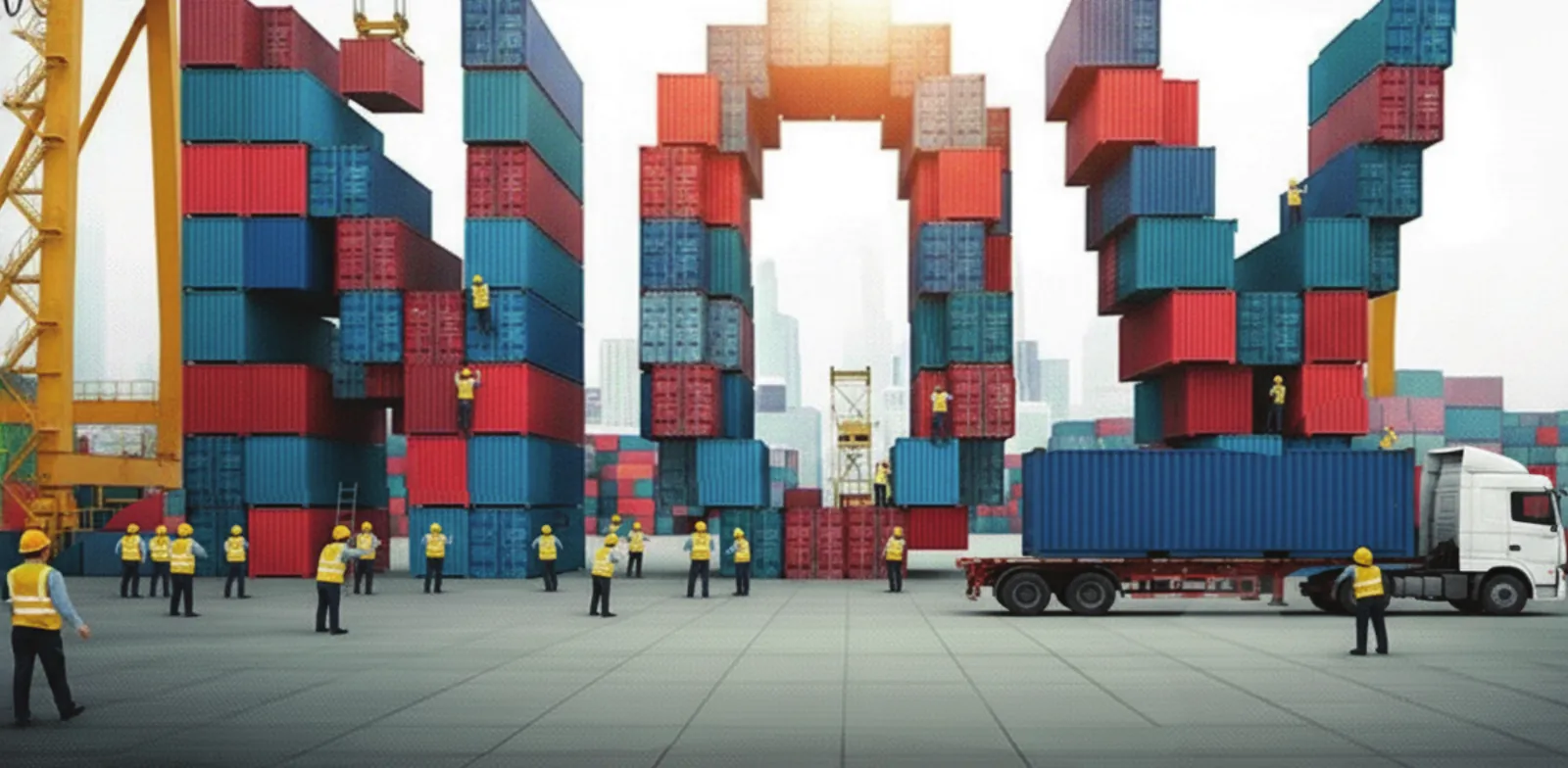
11 · November
Smart logistics
Logística inteligente
Collecting, sorting and routing material back to industry is half of what a recycler does.
-
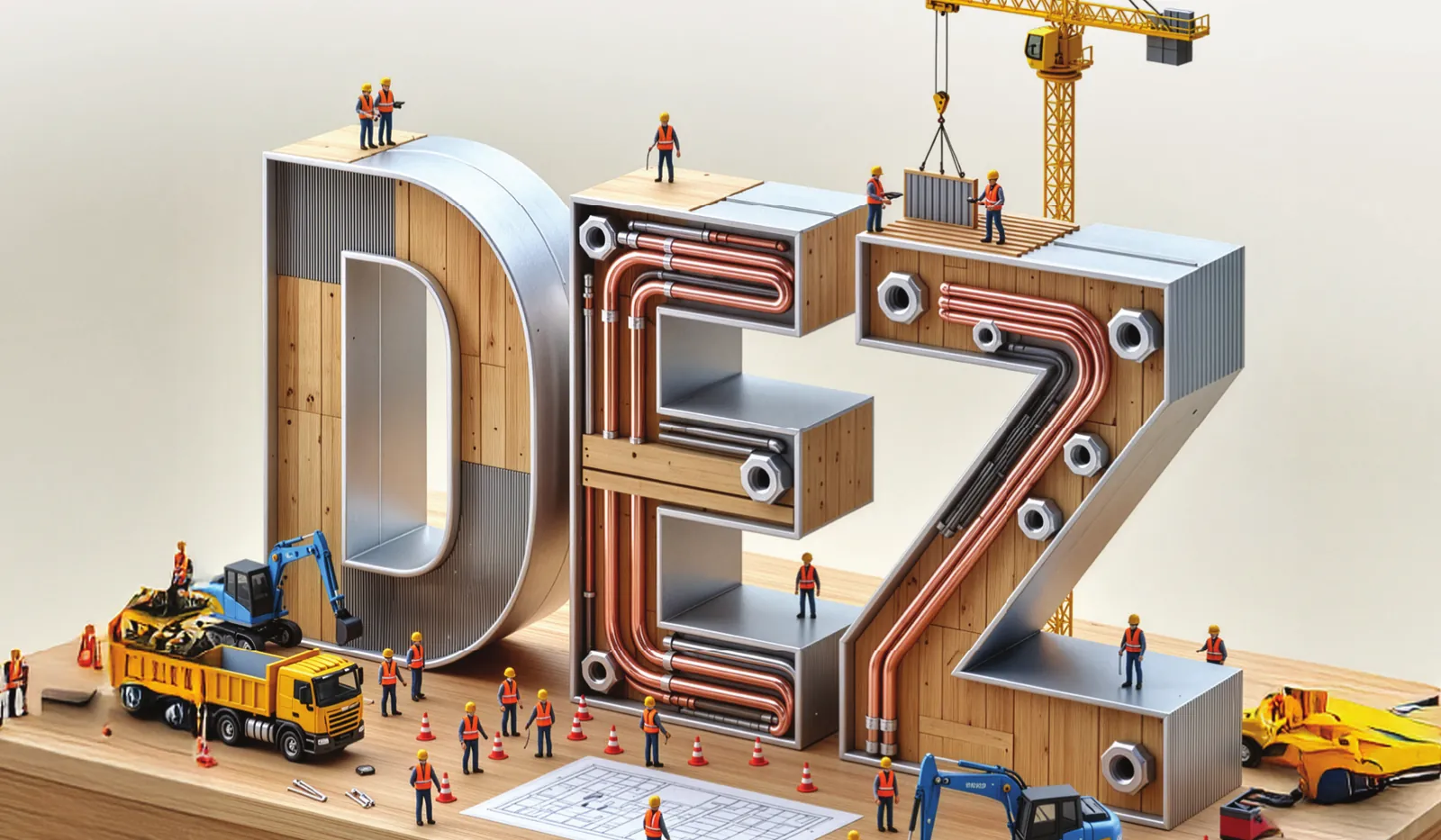
12 · December
Made to begin again
Criado para recomeçar
The end of a cycle is the start of the next. December closes the year, and the circle.
-
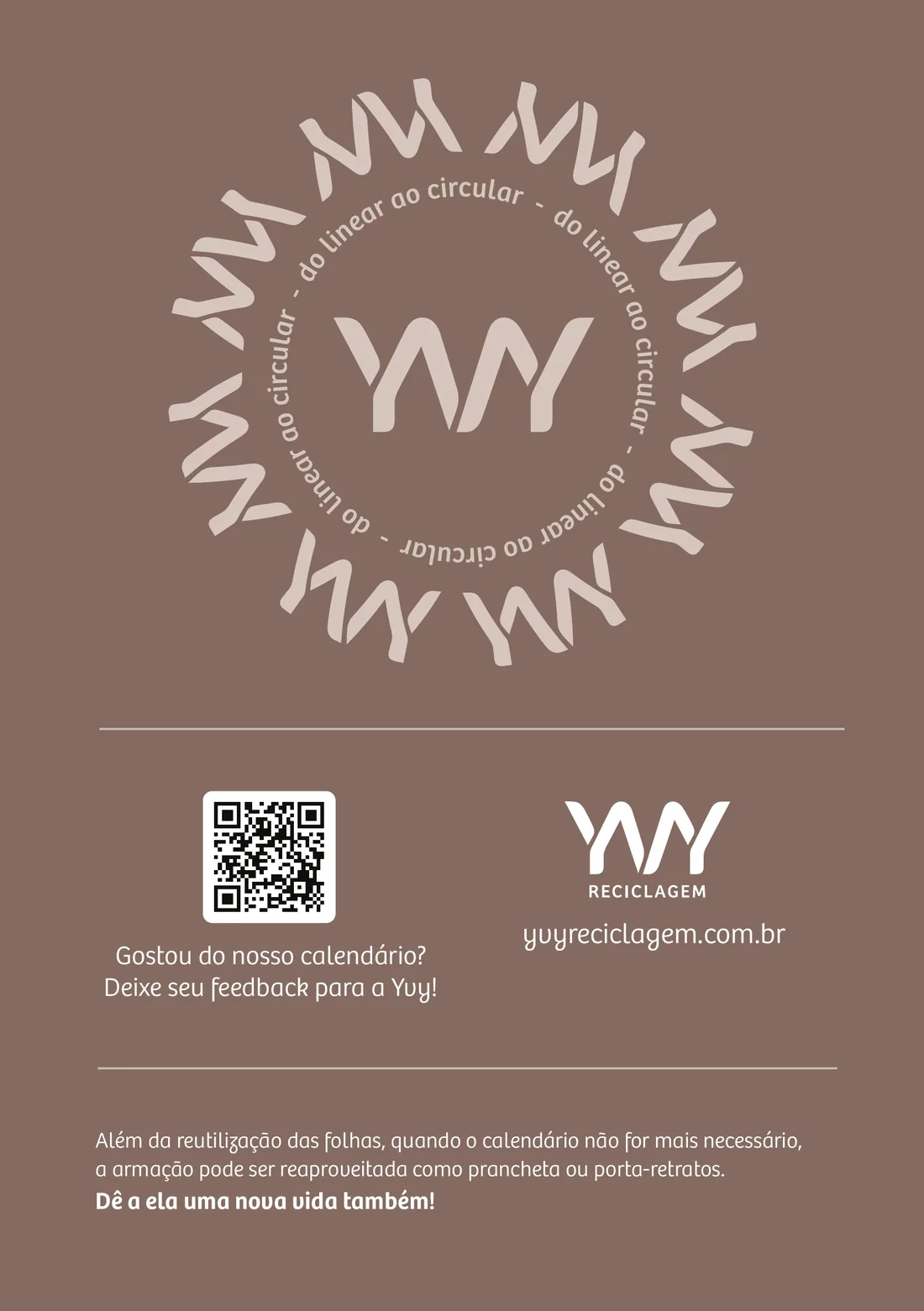
Back cover
Give it a new life too.
When the year is over, the stand becomes a clipboard or a picture frame. A QR code asks for feedback, so the gift also opens a conversation.
How it was made
AI first, direction throughout
Each image was generated with image AI tools, five to ten iterations per month until it belonged to the same world: one scale, one light, one crew. Every image was then corrected in Photoshop, and the calendar was laid out in InDesign, with holidays, moon phases and the previous and next months on every page.
With AI, the work moved to direction: choosing the principle, the material and the scene for each month, and discarding every result that did not belong.
A year apart, the two gifts took opposite paths. The calendar asked for a look I could not reach by hand. The notebook asked for the hand, and says so in print. Knowing when not to use AI is part of using it well.